
EUR/USD at a Crossroads: Why the Euro’s 2025 Rally Faces a Winter Chill
As we approach the end of 2025, the EUR/USD pair stands at a critical psychological and technical junction. After a remarkable 13.45% climb throughout the year, the Euro is currently trading in the 1.17 – 1.175 range. While the surface level looks like a triumph for the single currency, the underlying fundamentals suggest the ground is shifting.
Strategic traders in Frankfurt and New York are noting the same warning signs: the momentum that fueled the 2025 rally is evaporating. As 2026 nears, the narrative is pivoting toward a potential retracement, with many analysts forecasting a slide toward the 1.15 – 1.19 zone in the first quarter alone.
A Tale of Two Economies: Diverging Realities
The primary driver for the EUR/USD pair remains the stark contrast between the Eurozone’s fragile recovery and the United States’ persistent resilience.
Europe’s Fragile Equilibrium
The Eurozone officially projects a 1.2% GDP growth rate for 2026, but this figure masks a deeper struggle. Much of this stability is tied to German fiscal stimulus in defense and infrastructure. However, consumer confidence remains stagnant, and industrial corridors are still running below full capacity. The Eurozone economy feels held together by hope rather than robust organic growth.
America’s Defiant Strength
Across the Atlantic, the U.S. economy continues to defy “cooling” predictions. Recent data showing a 440,000 monthly job gain highlights a machinery that refuses to slow down. In the currency markets, capital follows confidence, and the U.S. currently possesses the lion’s share.

Central Bank Policy: The Yield Gap Widens
Monetary policy divergence is the “cruel math” currently weighing on the EUR/USD exchange rate.
- The ECB’s Passive Stance: The European Central Bank has anchored deposit rates at 2% for 2026. While this has tamed inflation, it offers little excitement for yield-seeking investors. A central bank committed to standing still makes its currency less attractive.
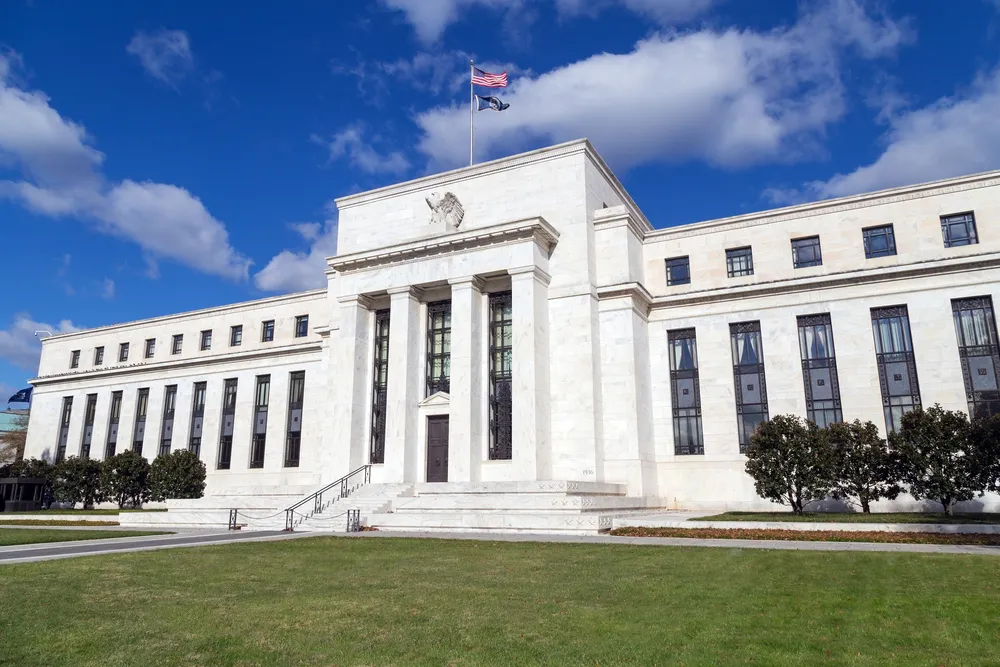
- The Fed’s “Higher for Longer” Strategy: While the Federal Reserve has teased rate cuts, the reductions are symbolic. U.S. rates remain significantly higher than European counterparts. Capital naturally flows toward the Dollar, seeking the higher returns offered by U.S. Treasury yields.
Geopolitical Storm Clouds and Internal Risks
External pressures are mounting, creating a “risk-off” environment that typically favors the Greenback over the Euro.
- Trade Tensions: Simmering tariff threats from the U.S. put European exporters—the continent’s economic engine—on high alert.
- Energy and Conflict: The ongoing drain of the conflict in Ukraine continues to sap resources and investor confidence.
- Internal Friction: Fiscal constraints in France and a sputtering industrial machine in Germany mean the Eurozone’s two largest pillars are struggling simultaneously.
Technical Outlook: Testing the 1.1500 Floor
Technical analysts are watching the EUR/USD charts with increasing caution. The pair is currently testing resistance between 1.1650 and 1.1700, but the upward handhold appears to be slipping.
- Support Levels: The first line of defense sits at 1.1550, followed by the critical psychological threshold of 1.1500.
- Momentum Signals: The Relative Strength Index (RSI) has moved to a neutral position, and moving averages are flattening, indicating that the bullish trend of 2025 is losing its conviction.
- The Downside Risk: A decisive break below 1.1500 could open the door for a tumble toward 1.1420 or even 1.1300, reviving talks of Euro-Dollar parity.

Summary and Key Takeaways
The EUR/USD rally of 2025 is meeting a sobering reality as we enter 2026. The convergence of sluggish Eurozone growth, a passive ECB, and high U.S. yields creates a downward pressure that is difficult to ignore.
Key Takeaways:
- Fundamental Divergence: The U.S. economy remains robust while Europe relies on temporary stimulus.
- Yield Advantage: Higher U.S. interest rates continue to pull capital away from the Euro.
- Psychological Floor: 1.1500 is the “must-hold” level for Euro bulls; breaking it could signal a long-term bearish shift.
- Stay Nimble: While the weight of evidence points downward, any sudden ECB pivot or U.S. economic miss could rewrite the story overnight.
Key Takeaways:
- Fundamental Divergence: The U.S. economy remains robust while Europe relies on temporary stimulus.
- Yield Advantage: Higher U.S. interest rates continue to pull capital away from the Euro.
- Psychological Floor: 1.1500 is the “must-hold” level for Euro bulls; breaking it could signal a long-term bearish shift.
- Stay Nimble: While the weight of evidence points downward, any sudden ECB pivot or U.S. economic miss could rewrite the story overnight.

Frequently Asked Questions (FAQ)
Why did the EUR/USD rise so much in 2025 if the outlook is now bearish?
The 2025 rally was largely driven by a “relief trade” as energy prices stabilized and initial fears of a deep European recession faded. However, markets are now looking forward to 2026, where the lack of growth momentum in Europe is becoming the primary focus.
How do U.S. interest rates directly affect the Euro’s value?
Currencies act like high-yield savings accounts for global investors. When U.S. interest rates are higher than Eurozone rates, investors sell Euros to buy Dollars so they can purchase U.S. bonds. This increased demand for Dollars and selling of Euros causes the EUR/USD rate to fall.
What is the significance of the 1.1500 level in EUR/USD trading?
1.1500 is considered a “major psychological support.” Traders use these round numbers as benchmarks. If the price stays above this level, it suggests the market still has some confidence in the Euro. If it falls below, it often triggers “stop-loss” orders, leading to a much faster decline toward lower levels.
Could the Pectra upgrade or other technical reforms help the Euro?
Unlike cryptocurrencies, the Euro’s value is tied to sovereign GDP and central bank policy rather than software upgrades. To see a significant reversal in EUR/USD, we would need to see a major improvement in Eurozone industrial production or a surprising decision by the ECB to raise interest rates to match the Fed.