Buy Now Pay Later Explained: How BNPL Works and Its Impact on Your Credit Score
Buy Now Pay Later (BNPL) has rapidly become one of the world’s fastest-growing payment methods. It offers shoppers the ability to split purchases into smaller, manageable installments, providing flexibility without the immediate need for traditional credit. As this trend accelerates, many consumers are asking: What exactly is Buy Now Pay Later? How does it function? And most importantly, does Buy Now Pay Later affect credit score?
This guide breaks down the mechanics, benefits, risks, and crucial financial implications of BNPL for beginners.
What Is Buy Now Pay Later?
BNPL is a form of short-term financing that allows shoppers to receive goods or services immediately and pay for them over a structured period. These services partner directly with retailers to offer installment plans that are typically interest-free, provided the scheduled payments are completed on time.
How the BNPL Process Works
The simplicity of the process is key to BNPL’s popularity.
- The shopper selects BNPL as their payment option during the checkout process (online or in-store).
- The BNPL provider (such as Klarna or Afterpay) instantly covers the full purchase cost to the retailer.
- The shopper then pays the provider back in a predetermined number of scheduled installments.
- Repayment schedules are typically weekly, biweekly, or monthly, offering predictable payment amounts.
- Crucially, missing payments can result in late fees and potentially negative entries on a consumer’s credit report.
The Rise of BNPL: Convenience Meets Flexibility
BNPL has become a preferred payment method because it meets the modern consumer’s demand for instant gratification and budget flexibility. As Forbes explains, its appeal extends across budget-conscious individuals and younger users who often prefer to avoid traditional credit cards.
Key Advantages Driving BNPL’s Growth:
- Quick Approval: Minimal credit checks are usually required for approval.
- Predictable Costs: Installment amounts are fixed and known upfront.
- Interest-Free Option: Most short-term plans incur zero interest if all payments are settled on schedule.
- Accessibility: It simplifies the process of managing larger purchases without the pressure of upfront payment.
Does Buy Now Pay Later Affect Your Credit Score?
This is the biggest concern for most users, and the answer is nuanced: it depends on the provider and the user’s payment behavior.
⚠️ When BNPL May Impact Your Credit Score
| Scenario | Impact on Credit Score |
| Hard Credit Check | If the BNPL provider performs a “hard inquiry” during the application process (often for larger, longer-term loans). |
| Missed Payments | If payments are significantly missed or late, and the provider reports the delinquency to major credit bureaus. |
| Account Reporting | If the provider regularly reports all payment activity (both positive and negative) to credit agencies, impacting your credit mix and history. |
✅ When BNPL Is Less Likely to Impact Credit Score
- When the provider uses only a “soft credit check,” which does not affect the score.
- When the provider does not report regular activity to the credit agencies.
- When the consumer pays all installments fully and on time, avoiding any negative flags.
Consumers should never assume BNPL is risk-free. Failing to meet obligations can still damage one’s financial reputation.
Benefits and Risks of Using BNPL
Used responsibly, BNPL is a convenient financial tool. However, users must be aware of the potential drawbacks.
👍 Benefits of BNPL
- Spreads Out Purchases: Ideal for managing large, necessary expenses without draining immediate cash flow.
- Interest Savings: Offers interest-free options, unlike revolving credit cards.
- Low Barrier to Entry: Approval criteria are typically easier than for traditional loans or credit cards.
- Flexibility: Useful for emergency or one-time expenses without the commitment of opening a new line of credit.
👎 Risks of BNPL
- Overspending: The ease of approval can lead to impulse purchases and overcommitment.
- Accumulation: Managing multiple concurrent BNPL plans can become quickly overwhelming.
- Late Fees: Missed payments often incur high late fees, significantly increasing the total cost of the item.
- Debt Cycle: If not tracked carefully, BNPL obligations can contribute to an overall debt burden and financial stress.
BNPL Versus Traditional Credit
Both BNPL and credit cards are forms of debt, but they serve different purposes. Understanding these differences is essential for choosing the right financial tool.
| Feature | Buy Now Pay Later (BNPL) | Traditional Credit Card |
| Repayment Structure | Predictable, fixed installments | Flexible minimum payments (revolving debt) |
| Interest | Usually interest-free (if paid on time) | Interest charged on the outstanding balance |
| Credit History | Limited impact (unless delinquent payments are reported) | Actively builds credit history (both positive and negative) |
| Rewards | Generally none | Offers rewards, cashback, and travel perks |
Conclusion
To ensure BNPL remains helpful rather than harmful, discipline is essential.
- Track Your Installments: Set up calendar reminders or automatic payments to guarantee all due dates are met.
- Limit Plans: Only take on one or two BNPL plans at a time to prevent payment confusion and overcommitment.
- Read the Terms: Always check the fine print for penalties, late fees, and the exact repayment schedule before committing.
- Use for Needs: Reserve BNPL for necessary or budgeted items, not for impulse or frivolous purchases.
BNPL can be a helpful tool for beginners, as long as they understand how it works and commit to paying responsibly.
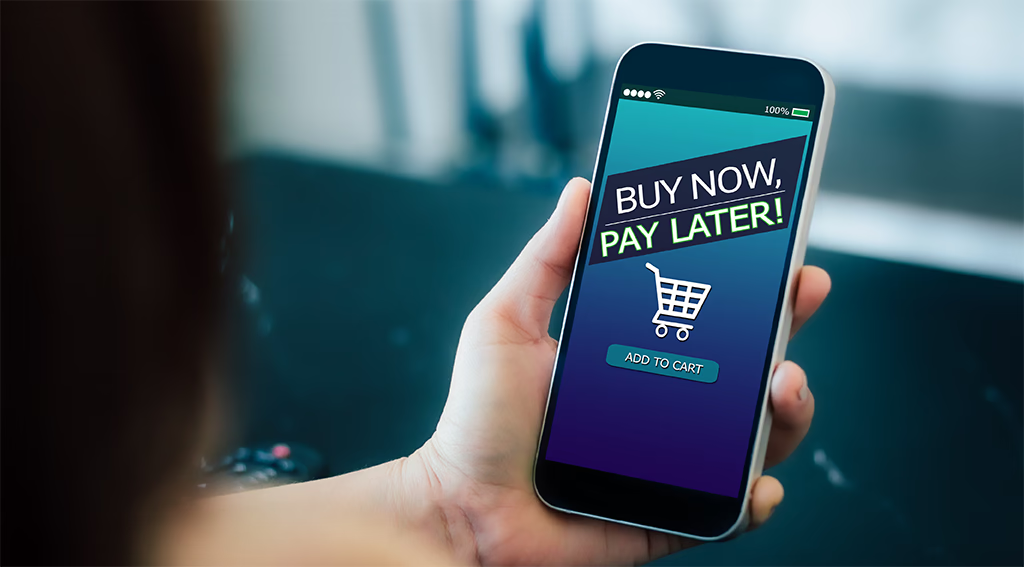
As the saying goes, “Debt is a tool, but whether it becomes a weapon depends on how you use it.”
Frequently Asked Questions (FAQ)
Q1: Is Buy Now Pay Later a better option than using a credit card?
A: Not necessarily better, but different. BNPL is ideal for short-term, budgeted purchases because it is often interest-free and has fixed payments. Credit cards are better for building credit history, earning rewards, and providing flexible revolving credit for unforeseen expenses, though they charge interest if balances aren’t paid monthly.
Q2: What happens if I miss a payment on a BNPL plan?
A: If you miss a payment, the provider will typically charge a late fee, which immediately increases the cost of your purchase. Repeated missed payments can lead to the provider sending the debt to a collection agency, and this delinquency will almost certainly be reported to credit bureaus, severely damaging your credit score.
Q3: Does using multiple BNPL services at once increase my credit risk?
A: Yes. Even if the providers do not report every payment, opening multiple BNPL plans increases your total outstanding debt obligations. If too much debt is accumulated, this can lead to payment confusion, missed deadlines, and financial stress, which increases the likelihood of delinquency and negative credit reporting.
Q4: Which type of BNPL plan is generally the safest for my finances?
A: Short-term installment plans (e.g., “Pay in 4” installments) that are interest-free and require only a soft credit check are generally the safest. These plans have a predictable and short repayment horizon, minimizing the risk of accumulated interest and long-term financial commitment, provided the payments are met on time.