While the laser-eyed permabulls on social media are desperately praying for a magical Bitcoin breakout to save their portfolios, a systemic risk is quietly bleeding out in plain sight. Enter BNB—the native utility chip of the world’s largest crypto ecosystem, often derisively labeled the “Binance Casino” by skeptics.
For years, BNB was the untouchable darling of the market. It was the ultimate utility token, guaranteeing cheaper trading fees during the greatest speculative mania in history. But the music has stopped. “Smart Money” is pivoting to a bearish stance as the walls close in on the empire. If you are still holding, you need to understand the structural decay.
Table of Contents
The SEC’s Death Sentence: Regulatory Strangulation
The regulatory gray area that allowed the “Binance Casino” to flourish no longer exists. The US SEC, led by Gary Gensler, has placed a massive bullseye on BNB.
- Unregistered Security Status: The SEC is systematically targeting BNB as an unregistered security. This isn’t just about fines; it’s about dismantling the fiat off-ramps that provide the token its lifeblood.
- Liquidity Crushing: In the traditional financial world, compliance is a cost; in crypto, sudden compliance is a death sentence for liquidity.
This unprecedented regulatory pressure threatens to shatter the market-making liquidity that has historically propped up the BNB price. When the State decides to crush a synthetic asset, you do not want to be the one holding the bag.
The Contagion Trap: Trading Platform Risk
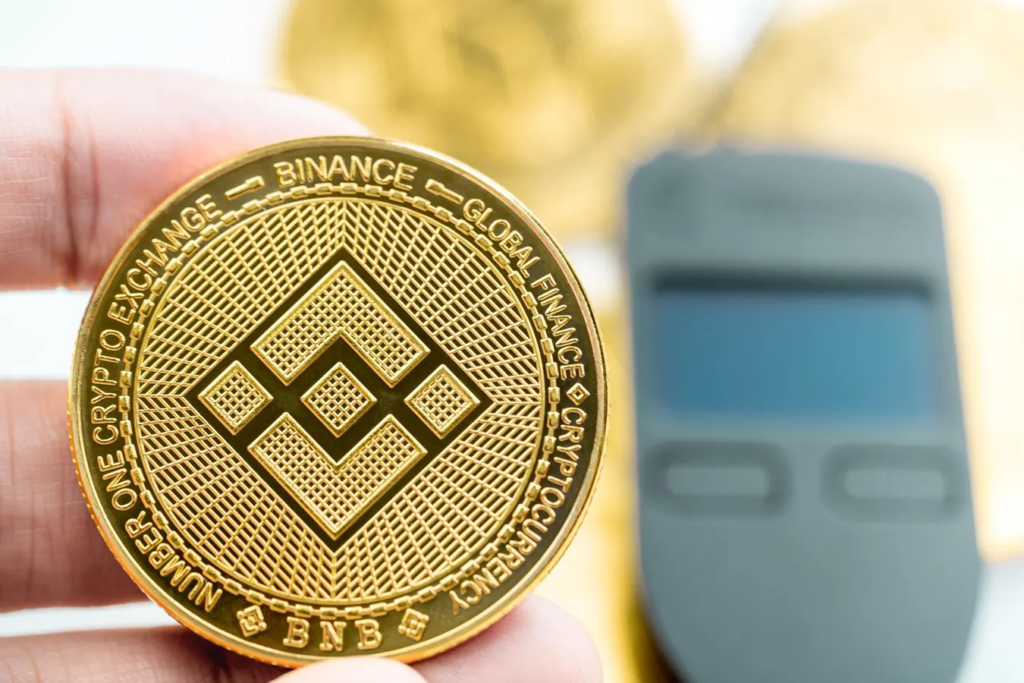
Let’s be honest about what BNB actually represents. It is not decentralized money; it is effectively unregistered equity in a centralized platform, but without any legal protections.
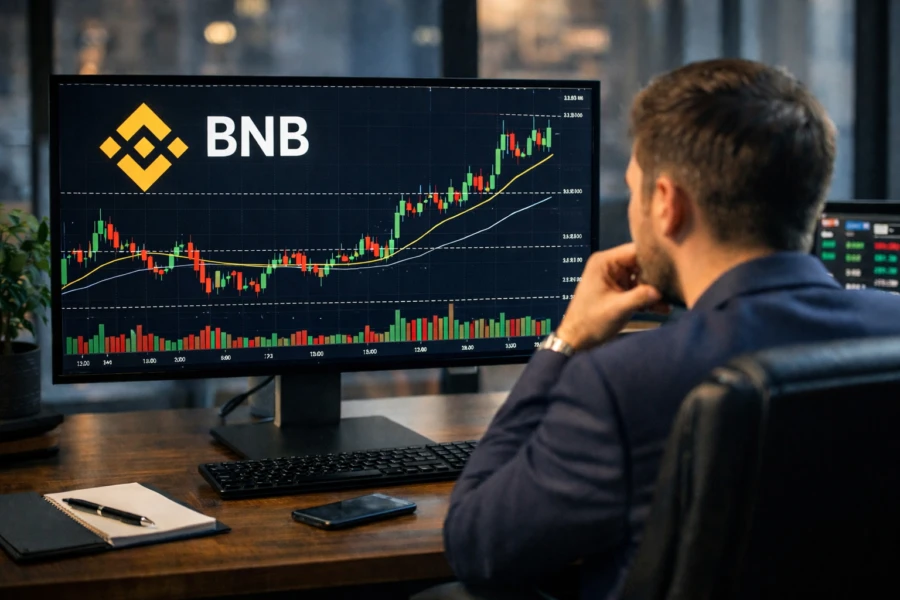
As global risk appetite collapses and retail trading volume dries up, the utility of holding BNB evaporates. The real danger, however, is contagion risk. The value of the token is inextricably tethered to the survival of the exchange itself. In a post-FTX world, any rumor of legal peril or operational failure is instantly priced into the token. BNB has become a real-time fear gauge; if the platform catches a cold, the token catches pneumonia.
Broken “Ponzinomics” and a Ghost Chain
Ignore the headlines and look at the actual tokenomics of BNB. The foundation is cracking.
The Burn Mechanism Failure
For years, the market relied on “Quarterly Coin Burns”—essentially corporate stock buybacks—to artificially engineer scarcity.
The Reality: A burn mechanism only works if demand outpaces the remaining supply. Today, demand is falling off a cliff. When user growth stalls, engineered scarcity turns into a liquidity trap.
The Rise of Layer 2s
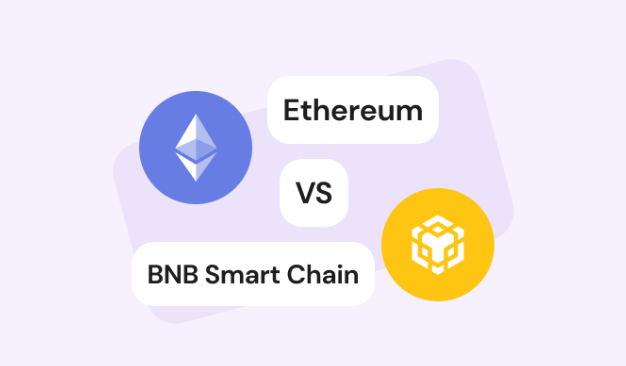
The Binance Smart Chain (BSC) originally exploded because Ethereum gas fees were too high. It was a cheap, centralized alternative. However, with the successful deployment of Ethereum Layer-2 scaling solutions (like Arbitrum and Optimism), developers and capital are migrating back to the Ethereum ecosystem. The “Binance Casino” is rapidly becoming a ghost town.
Summary: The House Edge is Gone
BNB is currently suffocating under a perfect storm: coordinated regulatory attacks, collapsing retail volumes, failing tokenomics, and an obsolete blockchain moat. While there will be violent “dead-cat bounces” designed to liquidate late shorts, the macro trajectory is clear. The structural trend is undeniably down as the global liquidity tide goes out.
FAQ
Is BNB still considered a utility token?
While BNB still offers trading fee discounts on the Binance platform, the SEC increasingly views this “utility” as a characteristic of a security. As regulatory pressure mounts, the practical utility of the token diminishes if the exchange’s operations are restricted in major jurisdictions.
How do Ethereum Layer 2s affect the value of BNB?
The value of BNB is heavily tied to the usage of the Binance Smart Chain. Because Ethereum Layer 2s now offer low fees with better decentralization, many developers are leaving BSC. Lower network activity leads to less demand for the token, putting downward pressure on its price.
What happens to the BNB price if the SEC wins its lawsuit?
If the SEC successfully classifies BNB as a security, it could lead to the token being delisted from most major exchanges and a massive flight of institutional capital. This would likely result in a permanent loss of liquidity and a significant price collapse.
Should I “buy the dip” on BNB?
Many analysts warn that “buying the dip” on a token facing existential regulatory threats is extremely risky. Unlike previous cycles, the current downtrend is driven by structural and legal shifts, not just market sentiment. It is essential to monitor volume and regulatory headlines before committing capital.